Bathroom fitting
Bathroom Fitting inLytham St Anne's: InstalledRight the First Time
Suites, showers, basins, WCs and en-suites fitted by one accountable plumber, sealed, supported and tested properly, so what you get is a bathroom that stays dry behind the tiles rather than one that looks finished on day one.
Free survey · Fixed written quote · Rated 5.0 from 8 Google reviews · 12-month workmanship guarantee · £1m insured
24/7
Emergency response, every day of the year
£1m
Public liability insurance in force
12 mo
Workmanship guarantee on every job
5.0
Google rating from 8 reviews
Free
Survey, then a fixed written quote
What this covers
Fitting the bathroom, or fitting into the bathroom you already have
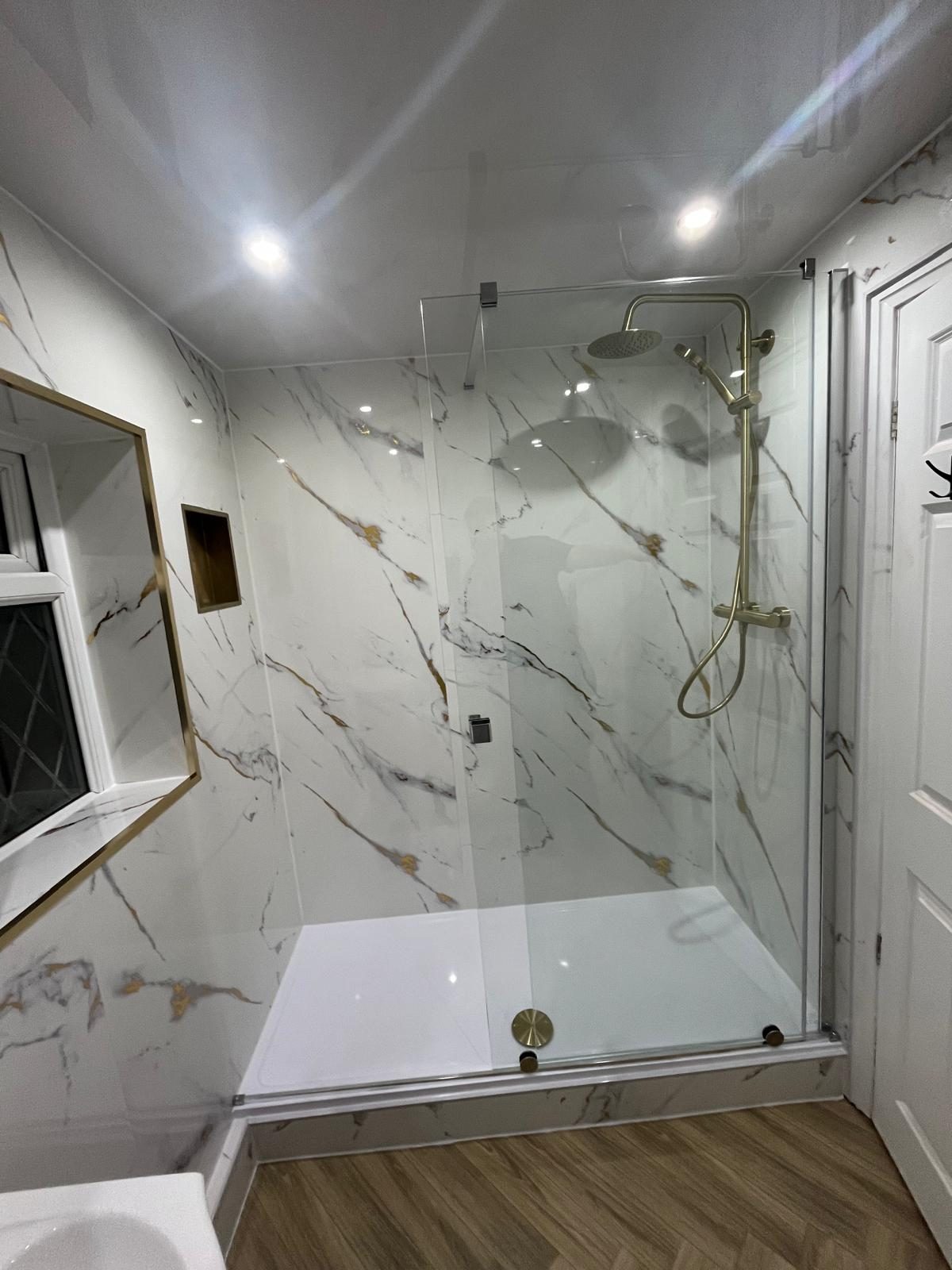
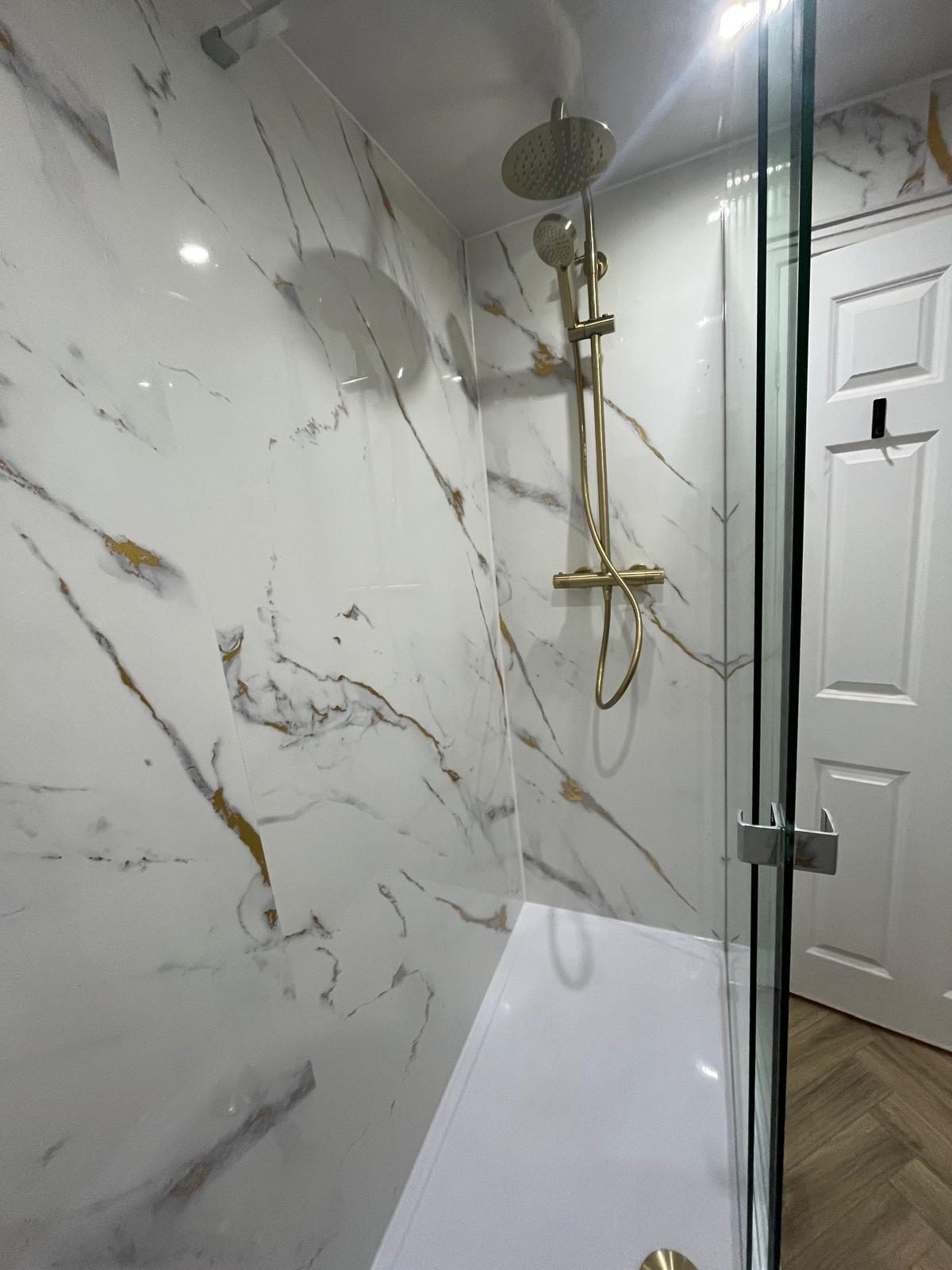
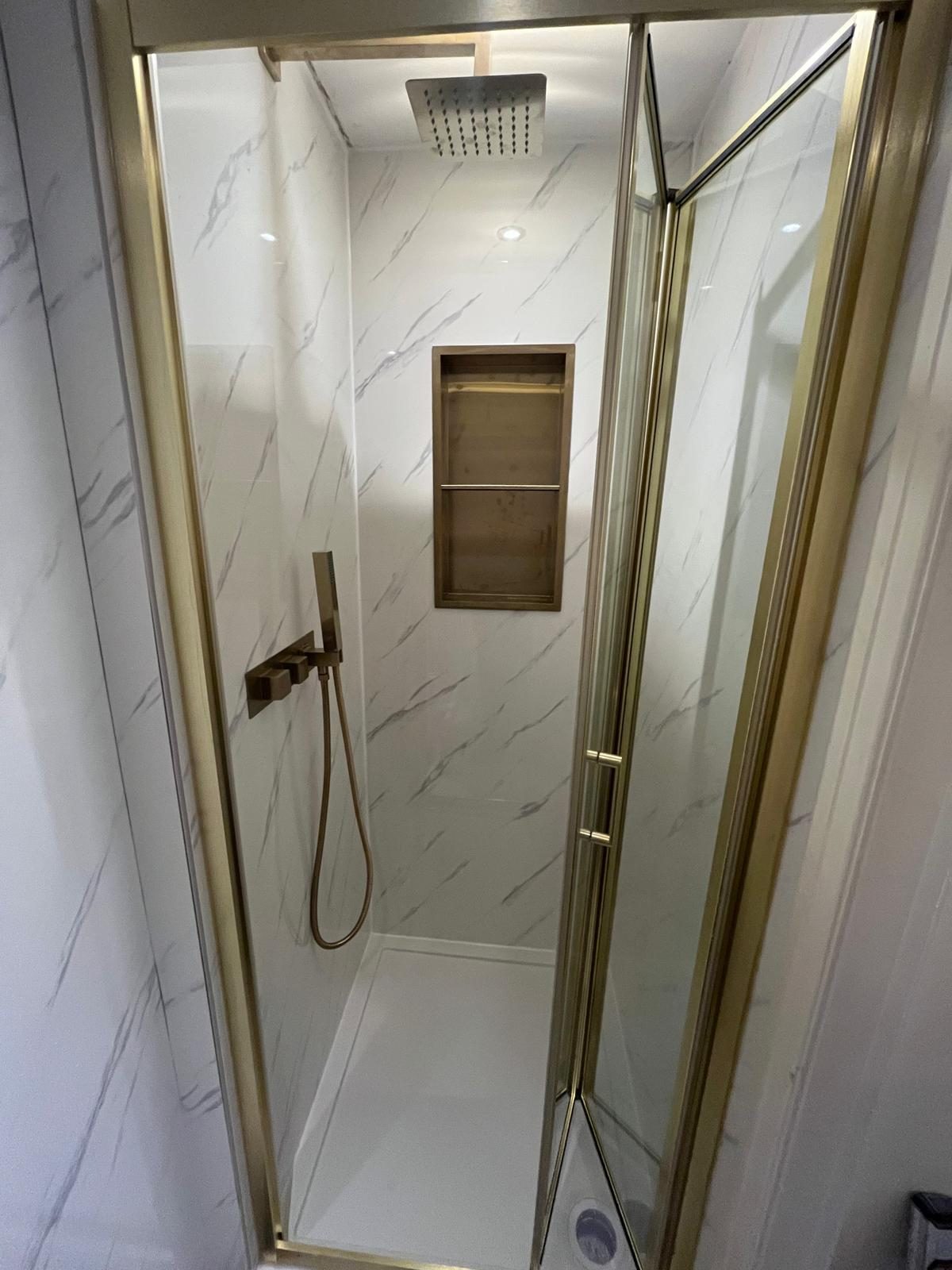
Bathroom fitting covers the installation work itself: baths, shower enclosures and trays, basins and vanity units, WCs and concealed cisterns, taps and mixers, shower valves, waste and supply pipework, and heated towel rails. It suits people replacing a suite, upgrading a shower, adding an en-suite or having a bathroom fitted that they have already bought.
It sits alongside the full bathroom renovation service. Renovation is the whole-room project managed end to end; fitting is the installation work where the design, materials or other trades are already handled, including customer-supplied suites and units.
The critical work in any bathroom is invisible afterwards. Falls on waste runs, properly supported trays and baths, correctly seated waste connections, adequate supply pressure and flow to the shower valve, and sealing detail at every junction, these decide whether the room is watertight in five years, and none of them can be assessed from a photo of the finished tiling.
Where tiling is needed, that is carried out by trusted specialist tilers who work alongside the plumbing, so the finish and the plumbing are coordinated rather than each trade working around the other's mistakes.
Every job begins with a free survey, gets a fixed written quote before work starts, and carries a 12-month workmanship guarantee, with manufacturer warranties of up to five years on products subject to their terms.
Who it is for, and when
Replacing a suite
Bath, basin and WC swapped out with the pipework, wastes and supports brought up to standard rather than reused blindly.
Shower upgrades
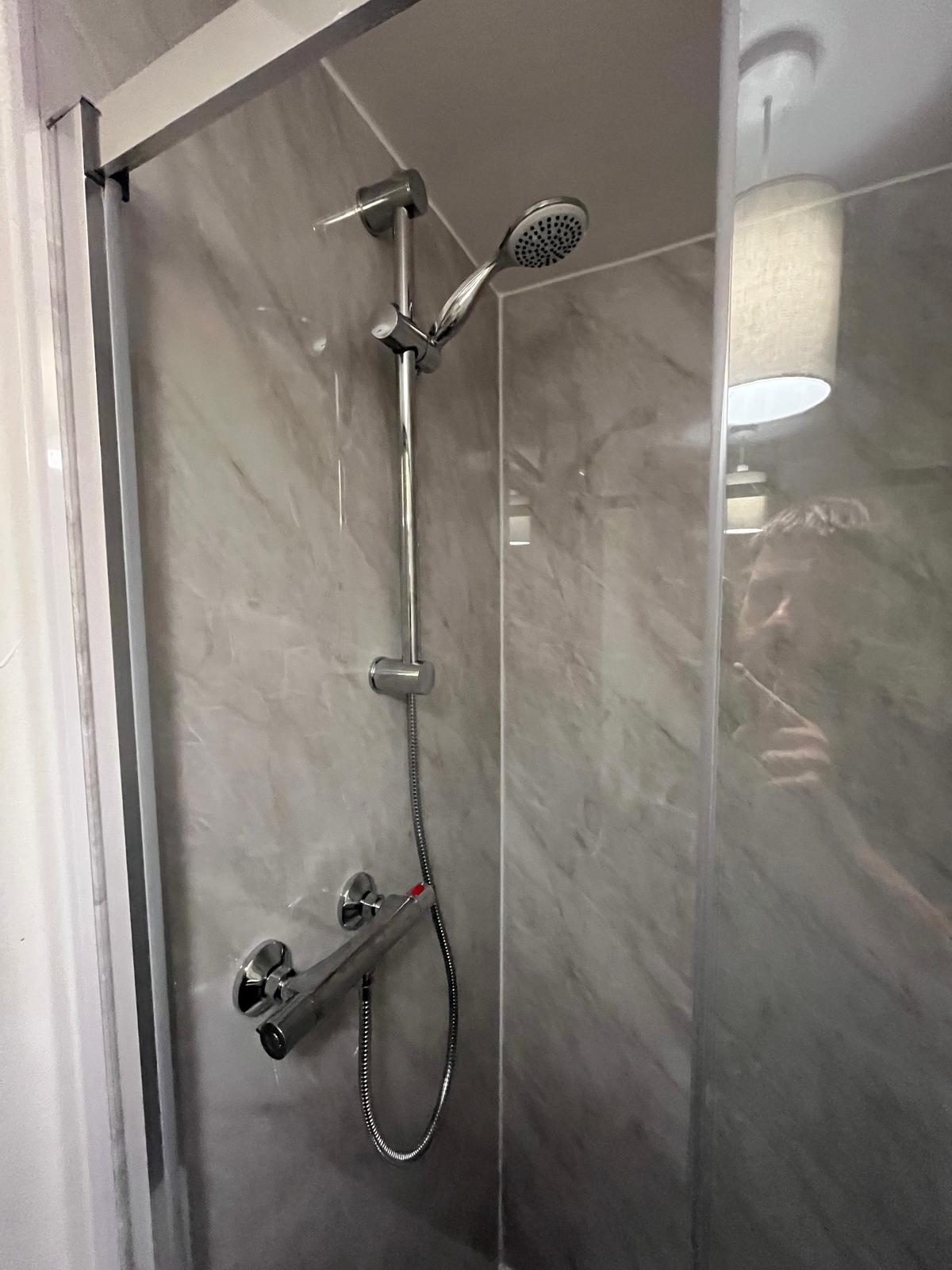
Trays, enclosures and shower valves fitted with proper support and sealing, and the supply checked so performance matches expectation.
Adding an en-suite
New supply and waste runs planned into an existing property, with realistic advice about what the layout will and will not allow.
Fitting a bathroom you have bought
Customer-supplied suites and units installed properly, with the workmanship guaranteed for 12 months.
What happens if it waits
Bathrooms do not fail at the surface; they fail behind it
A badly fitted bathroom looks identical to a well fitted one for about a year. The difference shows up as a stain on the ceiling below, a soft patch of floor beside the shower, or grout that keeps cracking along the same line, and by then the water has been getting in for months.
Movement is the usual culprit. A shower tray or bath that is not fully supported flexes slightly every time someone steps in, and that tiny repeated movement breaks the seal at the junction with the wall. Re-siliconing treats the symptom; the tray keeps moving and the seal fails again.
Waste runs are the second. A waste with insufficient fall does not drain fully, so water and residue sit in the pipe and the shower or bath drains slowly and smells. Correcting fall after the floor and tiling are finished is a demolition job, which is exactly why it is worked out beforehand.
Concealed pipework is the third. Every joint hidden behind a wall or under a tiled floor is a joint you cannot inspect. A weeping compression fitting behind a boxed-in cistern can run for a year into a floor void before anyone notices, and the repair then costs more than the original installation.
The commercial risk is fragmentation. When a job is split across separate trades with nobody owning the sequence, the plumbing gets blamed by the tiler and the tiling gets blamed by the plumber, and the customer is left arbitrating. One accountable point of contact removes that entirely.
Common mistakes we get called out to fix
- Reusing old wastes and traps with a new suite because they 'look fine'; they are the most common source of new-bathroom leaks.
- Fitting a shower tray without full support and then re-siliconing the same failing joint every year.
- Assuming a new shower will perform well without checking the actual supply pressure and flow first.
- Burying compression joints behind tiling and boxing where they can never be inspected or reached.
- Sealing over a leaking bath or tray junction instead of correcting the movement causing it.
- Booking trades in the wrong order, so tiling is done before first-fix positions are actually final.
Our process
Five steps, in the same order, every time
01
Survey and assessment
A free survey of the room, the existing supply and waste routes, floor construction, pressure and flow, and what the layout will realistically allow; before anything is priced.
02
Specification and fixed written quote
Products, positions, waste routing and sequence agreed, then priced in writing. Customer-supplied suites are accommodated and any compatibility issues flagged before ordering.
03
Strip out and first fix
Old suite removed and disposed of, supply and waste pipework installed with correct falls and support, positions set out precisely for the finishes that follow.
04
Second fix and installation
Bath, tray, enclosure, basin, WC, taps and shower valve installed with full support, clean waste connections and proper sealing detail at every junction.
05
Test, verify and guarantee
Every supply joint pressure-tested, wastes run and checked for full drainage, enclosures water-tested, the room left clean and the work covered by a 12-month workmanship guarantee.
What you actually get
The difference it makes once it's done properly
One person accountable
Jack surveys, quotes and carries out the work, so there is no gap between what was agreed and what gets installed.
Watertight where it matters
Trays and baths fully supported, sealing detail done properly, and wastes laid with correct fall, the three things that decide whether a bathroom leaks later.
A shower that performs
Supply pressure and flow checked before the valve is specified, so the finished shower matches what you were expecting from it.
Serviceable in future
Isolation and access considered during first fix, so a future repair does not mean removing tiling.
Coordinated trades
Tiling handled by trusted specialist tilers working to the plumbing sequence, rather than trades working around each other.
Guaranteed and insured
12-month workmanship guarantee, manufacturer warranties up to five years on products subject to their terms, and £1,000,000 public liability insurance.
In detail
What a properly fitted bathroom involves
The parts of a bathroom installation that determine its lifespan are all decided before the tiling goes on. Here is what each one involves.
Baths, trays and support
Steel and acrylic baths behave differently. Acrylic is lighter and warmer to the touch but needs a properly built cradle and correctly adjusted feet; steel is rigid but heavier and less forgiving on an uneven floor. Both fail the same way when under-supported: movement at the wall junction.
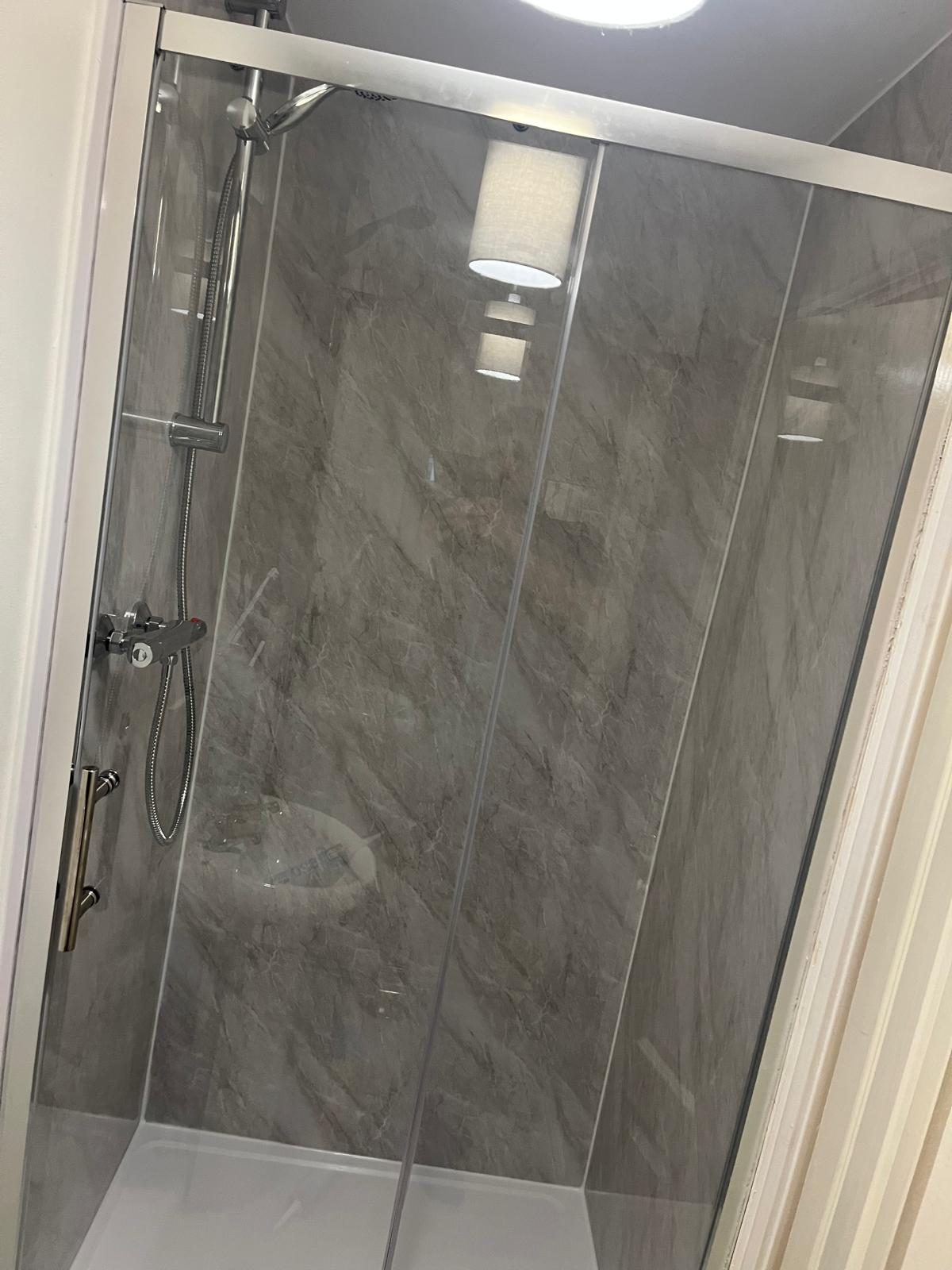
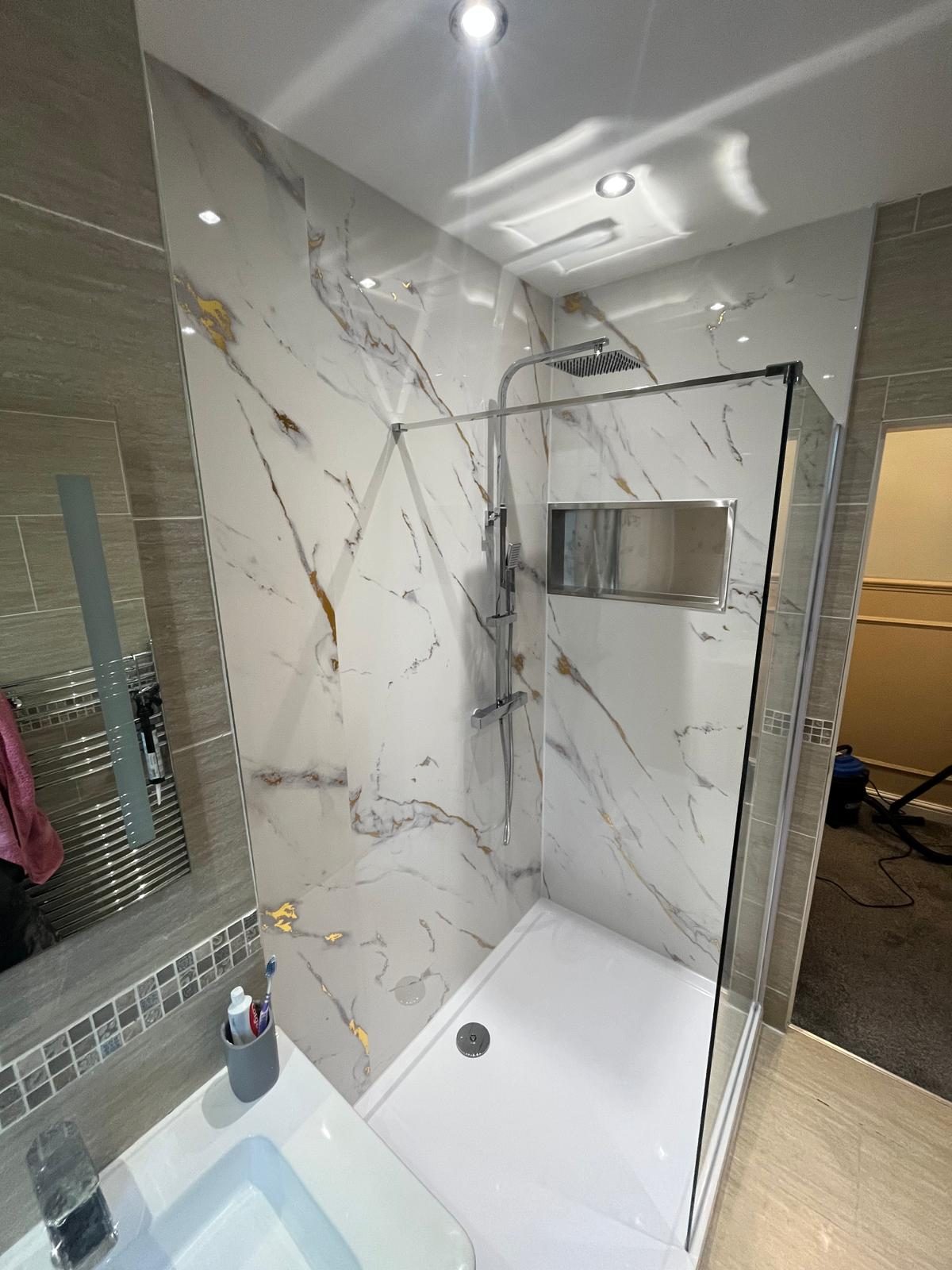
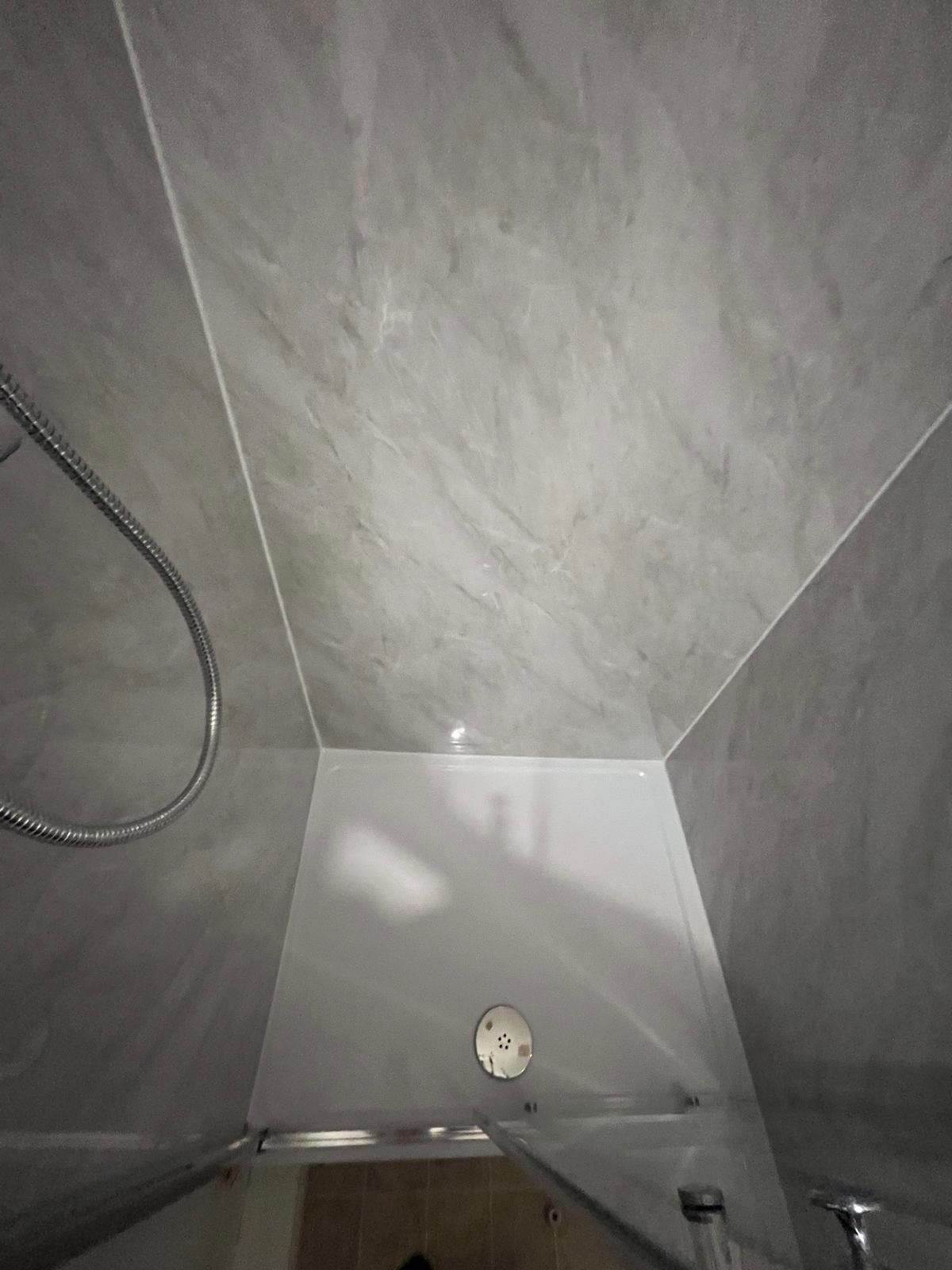
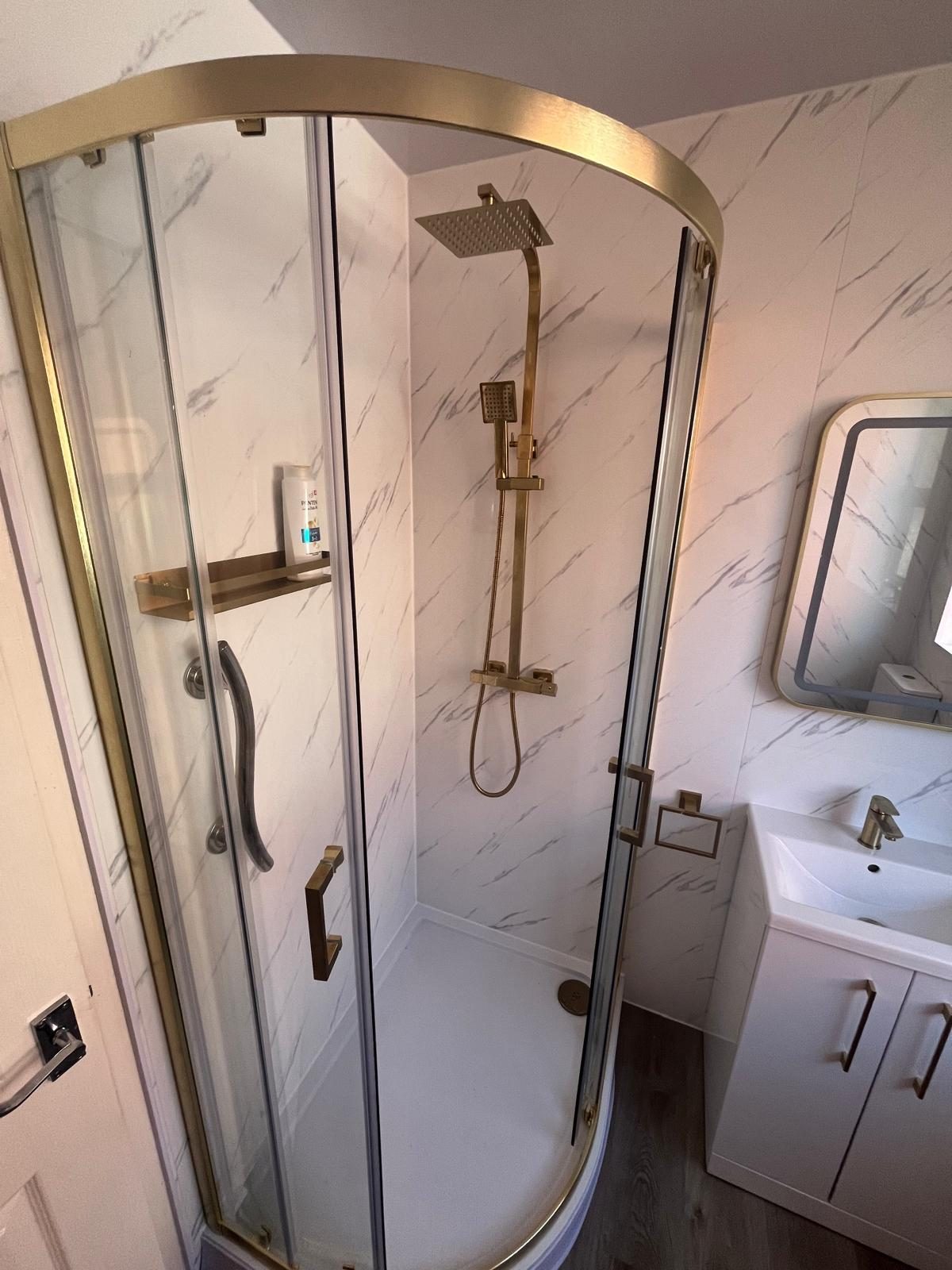
Shower trays must sit on a fully bedded, level base with the waste accessible. Low-profile trays are popular and unforgiving, a fractionally out-of-level tray shows as standing water immediately.
Wet room and level-access installations depend entirely on the floor construction and the fall built into it. Whether that is feasible in a given property is established at survey rather than promised in advance.
Waste, traps and drainage
Every appliance needs a trap that holds a water seal, and a waste run with enough continuous fall to clear fully. Insufficient fall is the reason a new shower drains slowly and smells within months.
Trap choice matters in tight spaces. Shallow traps under low-profile trays and space-saving traps behind vanity units solve access problems, but they must be correctly specified rather than improvised on the day.
Where a new fitting is being added, an en-suite WC in particular, connecting to the existing soil stack has to be planned, and where gravity drainage is not achievable that constraint is explained honestly at survey rather than after the floor is up.
Supply pipework, pressure and shower performance
Shower performance is a function of the supply, not the shower head. A gravity-fed system with a loft tank behaves entirely differently from a mains-pressure unvented system, and the same shower valve produces very different results on each.
Pressure and flow are measured at survey so the valve and enclosure specified will actually deliver. This is the single most common source of disappointment in a new bathroom, and it is entirely avoidable.
Supply pipework is installed with isolation valves so individual fittings can be worked on later without draining the property, and concealed joints are minimised so future faults are reachable.
WCs, cisterns and basins
Close-coupled, back-to-wall and wall-hung WCs each need different support. Wall-hung units need a proper frame carrying the load into sound structure; anything less will move, and a moving WC breaks its seal.
Concealed cisterns must retain an access panel to the valve and the flush plate. A cistern that has been tiled in with no access is a guaranteed future demolition job the first time a valve fails.
Basins and vanity units need the same discipline: correct fixings into sound substrate, wastes seated properly, and taps and tails connected so they can be isolated and serviced.
Sealing, ventilation and finish
Sealing is a detail, not a product. The junctions between tray and wall, bath and tile, and worktop and splashback each need the right joint prepared and filled correctly, silicone applied over a moving or dirty joint will fail regardless of quality.
Ventilation is what protects the finish. A bathroom without adequate extraction grows mould in the grout and the corners no matter how well it was fitted, and it is worth raising at survey rather than after the first winter.
Heated towel rails are specified for real output, not just as a fixture. Where a rail alone will not heat the room adequately, that is stated up front rather than discovered in January.
En-suites, rentals and property types
En-suites in period properties across Lytham St Anne's and Preston usually hinge on drainage routing and floor construction; deep joist voids can help, and solid floors constrain what is possible.
In modern estate housing across Penwortham, Bamber Bridge and Leyland, layouts are more predictable but space is tighter, which makes trap choice, tray profile and door-swing planning the deciding factors.
For rental property and holiday lets along the coast, the priorities are durability and serviceability: robust fittings, accessible isolation and cisterns that can be repaired without removing tiling.
Common questions
Answers before
you pick up the phone
Still unsure? Ring Jack on 07474 039934; advice costs nothing.
Related services
- Bathroom RenovationFull bathroom and en-suite installations, project managed end to end with specialist tiling brought in.
- Plumbing & HeatingGeneral plumbing and maintenance across the home, from pipework repairs to radiator fault diagnosis.
- Radiator Installation & RelocationRadiator replacements and repositioning, with surface pipework chased and sunk neatly into the wall.
- Leak DetectionTracing hidden leaks in pipework and appliance feeds before they damage floors, ceilings and plaster.
- All plumbing and bathroom services
- Pro Plumbing Solutions home
Where this service is available
Not listed? Ring anyway, most of the Fylde coast and central Lancashire is still workable. You can also send the job details through the contact form.
Book a free bathroom survey and get a fixed written price
One accountable plumber from survey to final test, coordinated specialist tiling, a 12-month workmanship guarantee and £1,000,000 public liability insurance.
Free initial survey · Fixed written quote · £1,000,000 public liability insurance · 12-month workmanship guarantee